Roger J. Wendell
Defending 3.8 Billion Years of Organic EvolutionSM


|
(According to Jung Chang, in her book Wild Swans, "Avoid the nails!" was a Chinese command uttered by the oldest son while kneeling by the side of a parent's coffin. Tradition held that if this was not done, the dead person would be hurt by the nails...) |

|
Click Here for my page on Time - a topic very much related to death... |
|
|
Click Here for my pabe about Life... |
|
|
Click Here for more on the missing god... |
"'Yes,' he said softly after a long pause. 'One of us here has to change, and fast. One of us here has to learn again that death is the hunter, and that it is always to one's left. One of us here has to ask death's advice and drop the cursed pettiness that belongs to men that live their lives as if death will never tap them.'"
- don Juan to Carlos Castaneda in Journey to Ixtlan
"Death is an important ally for appreciating life. I am no referring to a morbid preoccupation with death. Rather, I mean the felt awareness of our finitude as physical beings - an honest recognition of the short time we have to love and to learn on this earth. The knowledge that we will inevitably die burns out our attachments to the dignified madness of our socially constructed existence. Death is an ally that helps us to release our desires as a source of ultimate security. An awareness of death forces us to confront the reality of our existence, here and now."
- Duane Elgin in Voluntary Simplicity
(Toward a Way of Life That is Outwardly Simple, Inwardly Rich), pp. 139-140
Steve Jobs
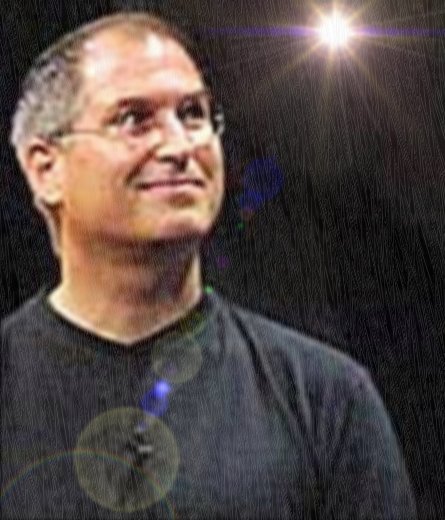
In the spring of 2005, Steve Jobs gave the commencement speech at Stanford University, here are some excerpts: "Remembering that I'll be dead soon is the most important tool I've ever encountered to help me make the big choices in life. Because almost everything-all external expectations, all pride, all fear of embarrassment or failure-these things just fall away in the face of death, leaving only what is truly important. Remembering that you are going to die is the best way I know to avoid the trap of thinking you have something to lose. You are already naked. There is no reason not to follow your heart."
"No one wants to die. Even people who want to go to heaven don't want to die to get there. And yet death is the destination we all share. No one has ever escaped it. And that is as it should be, because Death is very likely the single best invention of Life. It is Life's change agent. It clears out the old to make way for the new. Right now the new is you, but someday not too long from now, you will gradually become the old and be cleared away. Sorry to be so dramatic, but it is quite true."
"Your time is limited, so don't waste it living someone else's life. Don't be trapped by dogma - which is living with the results of other people's thinking. Don't let the noise of others' opinions drown out your own inner voice. And most important, have the courage to follow your heart and intuition. They somehow already know what you truly want to become. Everything else is secondary."
- Sara Seager, astronomer and planetary scientist,
shortly after the death of her husband, Michael Wevrick,
in Lee Billings'book, Five Billion Years of Solitude
(The Search For Life Among The Stars), p. 265
Harry Potter
Tower of London"Clearheaded people need to come to terms with reality, even when it is harsh, and if death is
the end of the line for all of us, then we need to face that fact and live our lives accordingly."- Jerry L. Walls Harry Potter and Philosophy edited by David Baggett and Shawn E. Klein, p. 67
The movie Bucket List and the ancient Egyptians ask us this at the end of our lives:
|
|
I beg to urge you, everyone: life-and-death is a grave matter, all things pass quickly away; each of us must be completely alert: never neglectful, never indulgent. Evening message, Daily Zen Sutras, Diamond Sangha, Honolulu and Haiku, Hawai'i |
"There is nothing you can hold onto, so man, let go..." - Alan Watts in his talk, The Journey from India (#6) |
"..., in the field of medicine, it has become possible to prolong life in cases which just a few years ago would have been hopeless. This can, of course, be a source of great joy. But quite often, there arise complicated and very delicate questions concerning the limits of care. I think that there can be no general rule in respect to this. Rather, there is likely to be a multiplicity of competing considerations, which we must assess in the light of reason and compassion. When it becomes necessary to make a difficult decision on behalf of a patient, we must take into account all the various different elements. These will, of course, be different in each case. For example, if we prolong the life of a person who is critically ill but whose mind remains lucid, we give that person the opportunity to think and feel in a way that only a human being can. On the other hand, we must consider whether in doing so they will experience great physical and mental suffering as a result of extreme measures taken to keep them alive. This in itself is not an overriding factor, however. As someone who believes in the continuation of consciousness after the death of the body, I would argue that it is much better to have pain with this human body. At least we can benefit from others' care whereas, if we choose to die, we may find that we have to endure suffering in some other form."If the patient is not conscious and therefore unable to participate in the decision-making process, that is yet another problem. And on top of everything, there may be the wishes of the family to take into account, along with the immense problems that prolonged care can cause them and others. For example, it may be that in order to continue to support one life, valuable funds are kept from projects which would benefit many others. If there is a general principle, I think it is simply that we recognize the supreme preciousness of life and try to ensure that when the time comes, the dying person departs as serenely and peacefully as possible."
- His Holiness The Dalai Lama, in his book Ethics for the New Millennium, pp. 154-155
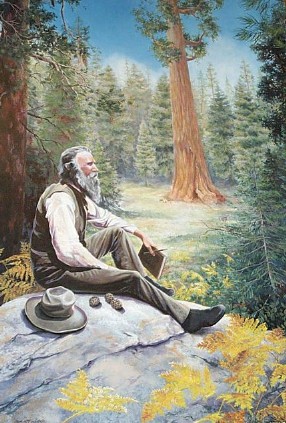
John Muir
"Accidents in the mountains are less common than in the lowlands, and these mountain mansions are decent, delightful, even divine, places to die in, compared with the doleful chambers of civilization. Few places in this world are more dangerous than home. Fear not, therefore, to try the mountain-passes. They will kill care, save you from deadly apathy, set you free, and call forth every faculty into vigorous, enthusiastic action. Even the sick should try these so-called dangerous passes, because for every unfortunate they kill, they cure a thousand." - John Muir, founder of the Sierra Club,
in his 1894 book, The Mountains of California, "The Passes" chapter, p. 79
"... primal peoples usually aren't very interested in life after death. This life is sufficiently full to hold their attention."- Christoph Manes
Nerthus supplement to the Earth First! Journal
May 1, 1988 (Paganism as Resistance) p. 22.
"You can only borrow from the vacuum so long."- Professor Roger A. Wendell, Particle Physicist (on 07-04-2016)
"It is this sadness of wasted life which probably he will be aware of only at the moment of his death - and then it will be too late."- J. Krishnamurti
The Second Penguin Krishnamurti Reader p. 127
"The fear of death follows from the fear of life. A man who lives fully is prepared to die at any time."- Edward Abbey
A Voice Crying in the Wilderness, p. 36
"Ed had not been feeling too well and had wanted to talk to the guy who was our doctor. And shortly thereafter, within 15 or 20 minutes, he actually keeled over right on the floor so Clarke and I loaded him into the truck and took him off to the hospital. The next day Ed was diagnosed as having pancreatic cancer and he turned to me and said, 'Well Jack, I guess I won't have to floss anymore.'"- Jack Loeffler from the documentary [Note: Although Abbey actually died shortly after, pancreatic cancer was a misdiagnosis...]
Edward Abbey: A Voice in the Wilderness
"Well then, as I said at the beginning, if a man has trained himself throughout his life to live in a state as close as possible to death, would it not be ridiculous for him to be distressed when death comes to him?""So if you see anyone distressed at the prospect of dying, said Socrates, it will be proof enough that he is a lover not of wisdom but of the body. As a matter of fact, I suppose he is also a lover of wealth and reputation--one or the other, or both."
- Plato Phaedo
All our times have come
Here but now they're gone
Seasons don't fear the reaper
Nor do the wind, the sun or the rain
We can be like they are
- Blue Oyster Cult
"Ordinary people seem not to realize that those who really apply themselves in the right way to philosophy are directly and of their own accord preparing themselves for dying and death."
- Plato
The Last Days of Socrates, p. 107
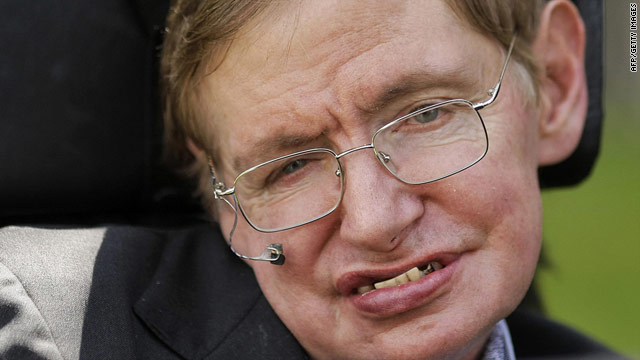
In their November 15, 2010 edition, Time Magazine (page 8) took questions from readers for Stephen Hawking:
What do you believe happens to our consciousness after death? - Elliot Giberson, SEATTLE
I think the brain is essentially a computer and consciousness is like a computer program. It will cease to run when the computer is turned off. Theoretically, it could be re-created on a neural network, but that would be very difficult, as it would require all one's memories.
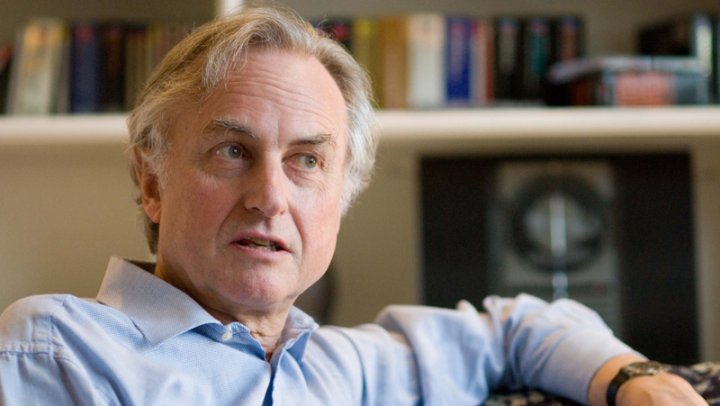
Richard Dawkins was interviewed by CNN while he was passing through Atlanta in early 2012:
(Published on CNN's website September 6, 2012)

What's going to happen when you die?
What's going to happen when I die? I may be buried, or I may be cremated, I may give my body to science. I haven't decided yet.It just ends?
Of course it just ends. What else could it do? My thoughts, my beliefs, my feelings are all in my brain. My brain is going to rot. So no, there's no question about that.
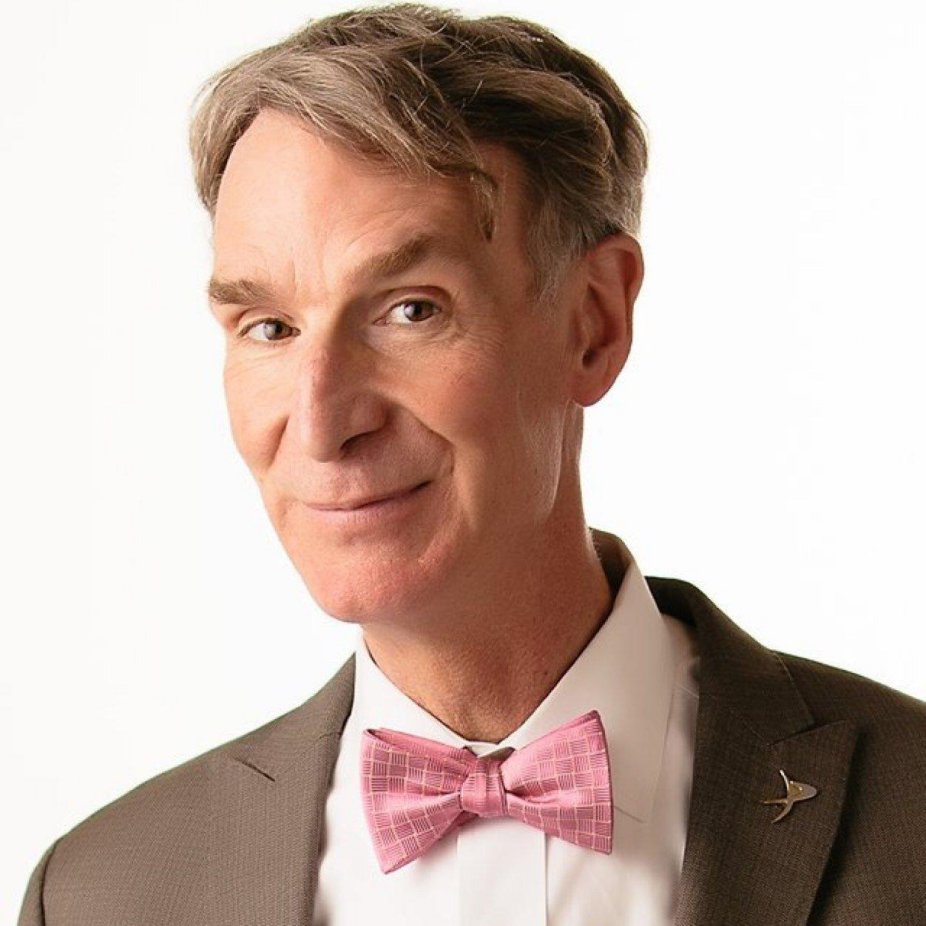
Bill Nye in his book, Undeniable
(Evolution, and the Science of Creation), p. 174

"From time to time, I meet someone who will say something like, 'I am not afraid of dying.' I don't buy it. Everyone is afraid of dying. It's part of the instinct that helps us survive as a species. It's a crucial feature of human evolution."
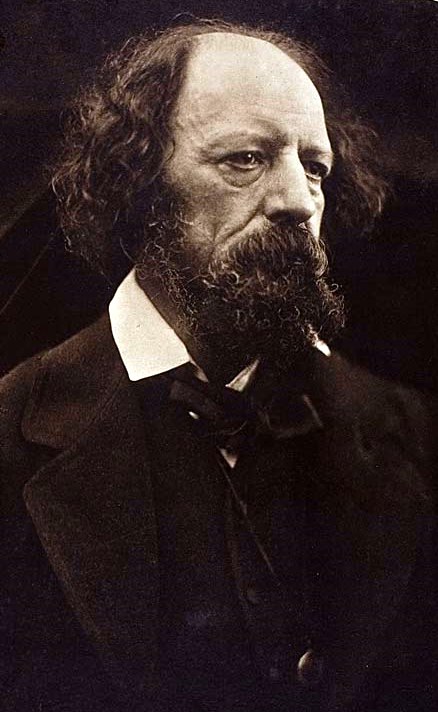
Alfred Lord Tennyson
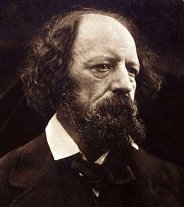
"All the windy ways of men
Are but dust that rises up,
And is lightly laid again."
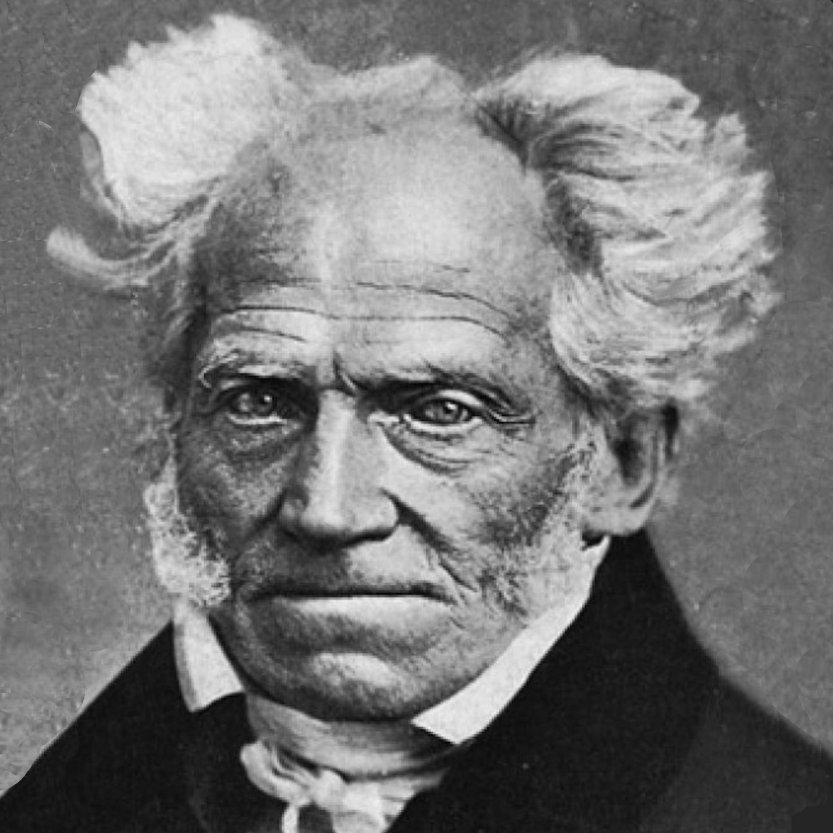
Arthur Schopenhauer

"A man finds himself, to his great astonishment, suddenly existing, after thousands and thousands of years of non-existence: he lives for a little while; and then, again, comes an equally long period when he must exist no more. The heart rebels against this, and feels that it cannot be true."
Edward Abbey
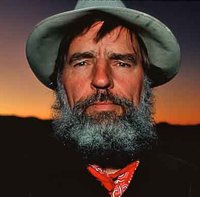
"Little things betrayed this finality, things he said or talked about, such as his physical weakness due to blood loss, his inability to hike out into the Cabez Prieta. Or-out of the blue-about the desire for immortality and how it is based on a terrible fear of death, which comes from having not lived fully, from a cowardly, tedious, and uneventful life, and how the worst thing of all would be to cling to this kind of life using the medical technology of life-support systems. 'If your life has been wasted, then naturally you're going to cling like a drowning man to whatever kind of semi-life medical technology can offer you, and you're going to end up in a hospital with a dozen tubes sticking in your body, machines keeping your organs going. Which is the worst possible way to die. One's death should mean something. Those who fear death most are those who enjoy life least. Death is very man's final critic,' Ed said. 'To die well you must live bravely.'"
From Doug Peacock's, Walking It Off (A Veteran's Chronicle of War and Wilderness), p. 41
Anesthesia and Death
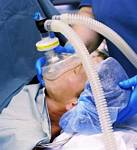
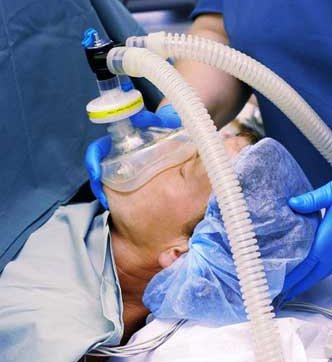
We all have different ideas about death. And, in my best estimation that's all they are - ideas about an afterlife that don't have a lot of evidence to back them up. I have my own ideas, too, and decided to create this entry a few days after cancer surgery while the topic was still big (huge!) on my mind. Not only for the obvious reasons but also because of my half dozen or so experiences under anesthesia for that operation and a few others throughout my life.
Don't get me wrong, I like the idea of anesthesia and will easily agree to it anytime my doctor suggests its need. However, as I kind of explain on the aforementioned cancer page, anesthesia is about the closest I believe I've ever come to what it's like being dead. When I was really young, about five years old, I had my first experience when my tonsils were removed. Back then my anesthesia experience started out with an interesting dream about my family sitting around a slowly spinning kitchen table. The spinning speed of everyone, their chairs, and the table increased until I completely "blacked" out. I kind of like this memory mostly because it's so innocent and "untainted" - it was at a time when I was extremely young and without much knowledge of the bigger world other than a Christian upbringing...In contrast, at age 50 during cancer surgery, I took a few deep breaths through the mask they provided and I didn't even know I was "going under" or being "knocked out" - there was absolutely no consciousness, sense of life, or even dreaming. It wasn't until I awoke, a few hours later, that I even knew I had succumbed to the anesthesiologist's craft. I had no memory of what had happened nor any sense having been "away" or dreaming or anything - there was simply nothing. Of course I recognize that memory agents were used, to wipe out any bit of consciousness that may have lingered, but there's still a certain innocence in this as well in that there is no memory of anything other than absolute "nothingness."
So, I'm pretty convinced that's what death and the "afterlife" is going to be like - a lot of nothing for eternity. Not bad, really - I think I can deal with it (or, more than likely, none of us will have a choice in the matter!). Either way, it's not my intent to convert you or make you believe differently than you already do now. I know there are tons of "near death" and "afterlife" experiences out there but I remain skeptical. Anyway, most of us will "know" soon enough as death awaits us just a few years or decades away, at most...
- Roger J. Wendell
Golden, Colorado - June '06
The Threat of Death
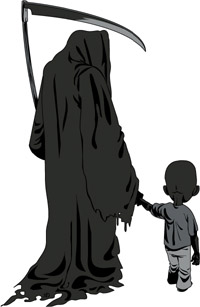
Once upon a time there was a conquering army going through villages, killing and pillaging as it went. The soldiers caused terror in the hearts of the people in the countryside, and were especially harsh with the monks they found in the monasteries, not only humiliating them but often subjecting them to terrible physical torture. "There was one particularly harsh army captain who was infamous for his cruelty, and when he arrived in a certain town, he asked his adjutant for a report about the people who lived there. His inferior reported: All the people are very frightened of you and are bowing down to you." This gave the captain great pleasure, of course. Then the adjutant continued, "In the local monastery all the monks have fled to the mountains in terror. Except for one monk.
"Hearing this, the captain became furious and rushed to the monastery in search of the monk who dare to defy him. When he pushed open the gates, there in the middle of the courtyard stood the monk, watching him without fear. The captain walked up to him and asked in his haughtiest voice, "Don't you know who I am? Why, I could take my sword and run it through your belly without blinking an eye!
"And don't you know who I am?" replied the monk, gently. "I could have your sword run through my belly without blinking an eye." It is said that the captain, recognizing the greater truth of the moment, sheathed his sword, bowed, and left."
- excerpt from Ram Dass' book, Still Here
Aging

On May 11 in 1819, Thomas Jefferson wrote about making peace with his slow descent toward death.
"A decline of health, at the age of 76, was naturally to be expected," he wrote, "and is a warning of an event which cannot be distant, and whose approach I contemplate with little concern. For indeed in no circumstance has nature been kinder to us than in the soft gradations by which she prepares us to part willingly with what we are not destined always to retain.
"First one faculty is withdrawn and then another, sight, hearing, memory, eucrasy, affections, and friends, filched one by one till we are left among strangers, the mere monuments of times past, and specimens of antiquity for the observation of the curious."
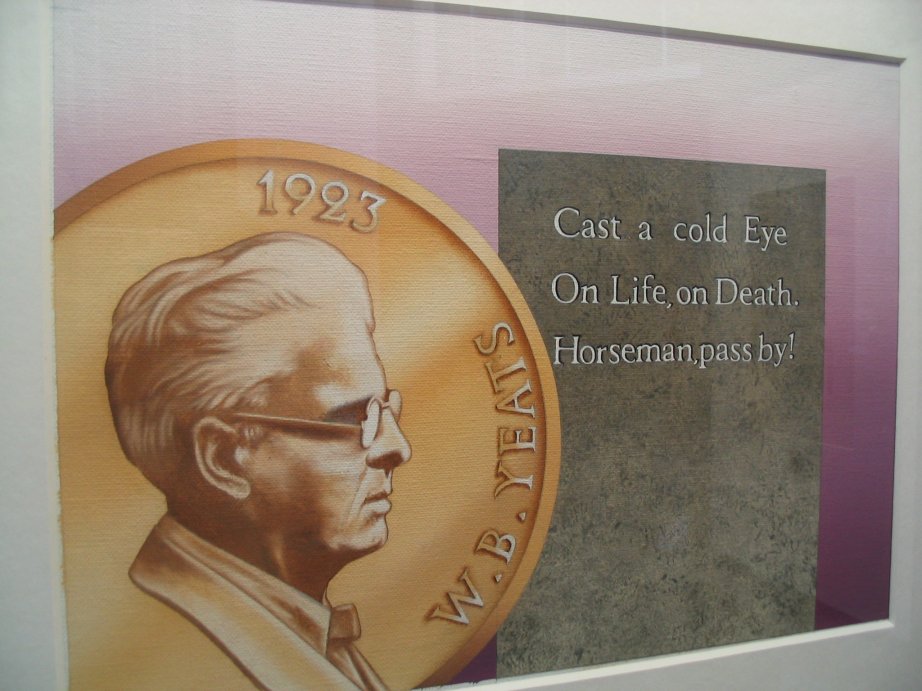
W. B. Yeats
Dublin General Post OfficeCast a cold Eye
on Life, on Death.
Horseman, pass by!W. B. Yeats
Drumcliffe, County Sligo, IrelandThe boast of heraldry, the pomp of powe'r,
And all that beauty, all that wealth e'er gave,
Await alike the inevitable hour:
The paths of glory lead but to the grave.- from the ninth stanza of Gray's
"Elegy Written in a Country Churchyard"
(Click Here for all 128 lines...)
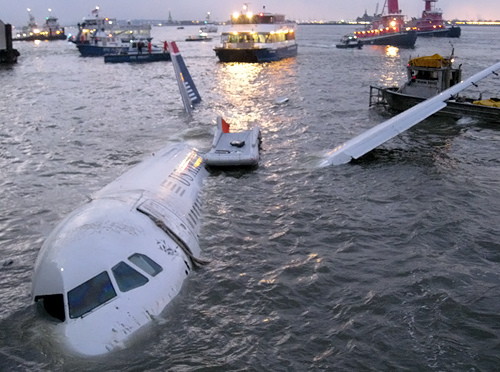
What I thought when my plane crashed
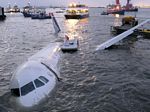
"When you start your own company and become your own boss, you think, 'Life is good.' When you actually start making money and growing your business, you think, 'Life is great.' But when you're sitting in seat 1D of an airborne plane that's completely silent because the engines have been shut down, and you hear the pilot say, 'Brace for impact,' none of it really matters." "As I sat in the first row of Flight 1549, just moments before it crashed in the Hudson River that day in January 2009, the things that had once seemed so important no longer mattered. I didn't have to talk to the flight attendant anymore. I could see a very distinct look in her eyes. It was the look of terror. And I was going to die."
"It was a true miracle that I didn't die that day. It was also an experience that changed me forever. It gave me a tremendous appreciation for life and an immense amount of gratitude for the pilot, Chesley Sullenberger, and the people who were sitting next to me. I took many lessons from that flight, three in particular that will shape the rest of my life."- Ric Elias, CEO of Red Ventures, during his 2011 TED talk.
Cremation:
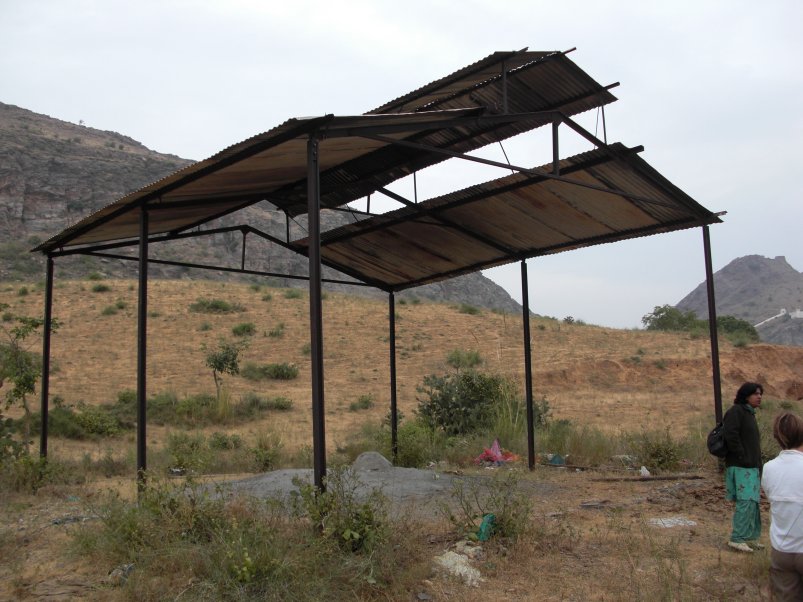
Wood and human ash...Although I'd always hoped my body could be left in the wilderness, somewhere, to feed the microbes, plants, and critters, I also feel I may be so full of toxins (thanks to a not so healthy lifestyle!) that my remains will do more harm than good. Also, with a planet growing ever more crowded it's getting harder and harder to not only find suitable open space but a location where it's "legal" to dump a body as well. So, in comes cremation! While on a trip to India I was impressed with the relative thrift and efficiency of simply burning bodies in an open fire. Of course most Hindus want/need to go to Varanasi on Ganga Ma (River Ganges Mother) to be at the sacred center. Obviously not everyone can make it there so another choice is to be cremated by your local community as indicated in this photo.
Thoughts and Poems
A POSTMORTEM GUIDE
For my eulogist, in advanceDo not praise me for my exceptional serenity.
Can't you see I've turned away
from the large excitements,
and have accepted all the troubles?Go down to the old cemetery; you'll see
there's nothing definitive to be said.
The dead once were all kinds--
boundary breakers and scalawags,
martyrs of the flesh, and so many
dumb bunnies of duty, unbearably nice.I've been a little of each.
And, please, resist the temptation
of speaking about virtue.
The seldom-tempted are too fond
of that word, the small-
spirited, the unburdened.
Know that I've admired in others
only the fraught straining
to be good.Adam's my man and Eve's not to blame.
He bit in; it made no sense to stop.Still, for accuracy's sake you might say
I often stopped,
that I rarely went as far as I dreamed.And since you know my hardships,
understand they're mere bump and setback
against history's horror.
Remind those seated, perhaps weeping,
how obscene it is
for some of us to complain.Tell them I had second chances.
I knew joy.
I was burned by books early
and kept sidling up to the flame.Tell them that at the end I had no need
for God, who'd become just a story
I once loved, one of many
with concealments and late-night rescues,
high sentence and pomp. The truth is
I learned to live without hope
as well as I could, almost happily,
in the despoiled and radiant snow.You who are one of them, say that I loved
my companions most of all.
In all sincerity, say they provided
a better way to be alone.- Stephen Dunn
Rats & Lice: "The archbishop was murdered in Canterbury Cathedral on the evening of the twenty-ninth of December [1170]. The body lay in the Cathedral all night, and was prepared for burial on the following day... He had on a large brown mantle; under it, a white surplice; below that, a lamb's-wool coat; then another woolen coat; and a third woolen coat below this; under this, there was the black, cowled robe of the Benedictine Order; under this, a shirt; and next to the body a curious hair-cloth, covered with linen. As the body grew cold, the vermin that were living in this multiple covering started to crawl out, and, as... the chronicler quoted, 'The vermin boiled over like water in a simmering cauldron, and the onlookers burst into alternate weeping and laughter...'"
- Hans Zinsser
Rats, LIce and History
Remembrance
Cold in the earth -- and the deep snow piled above thee,
Far, far removed, cold in the dreary grave!
Have I forgot, my only Love, to love thee,
Severed at last by Time's all-severing wave?
Now, when alone, do my thoughts no longer hover
Over the mountains, on that northern shore,
Resting their wings where heath and fern leaves cover
Thy noble heart forever, ever more?
Cold in the earth -- and fifteen wild Decembers,
From those brown hills, have melted into spring;
Faithful, indeed, is the spirit that remembers
After such years of change and suffering!
Sweet Love of youth, forgive, if I forget thee,
While the world's tide is bearing me along;
Other desires and other hopes beset me,
Hopes which obscure, but cannot do thee wrong!
No later light has lightened up my heaven,
No second morn has ever shone for me;
All my life's bliss from thy dear life was given,
All my life's bliss is in the grave with thee.
But, when the days of golden dreams had perished,
And even Despair was powerless to destroy,
Then did I learn how existence could be cherished,
Strengthened, and fed without the aid of joy.
Then did I check the tears of useless passion --
Weaned my young soul from yearning after thine;
Sternly denied its burning wish to hasten
Down to that tomb already more than mine.
And, even yet, I dare not let it languish,
Dare not indulge in memory's rapturous pain;
Once drinking deep of that divinest anguish,
How could I seek the empty world again?
- Emily brontë
The death of a child...
"So nothing is as important in life as life and death. We fear and loathe the thought of our own death, even if it's a peaceful one after we've outlived the normal longevity. We fear not only the loss of our own lives, but the lives of our parents and sisters and brothers, as well as our relatives and close friends. We don't think of our children too much in this regard because our children, in the normal scheme of things, are supposed to outlive us. When they die before us, the already hideous nature of death becomes unbearable. And that's when they die a normal and peaceful death from illness. If the death is from an accident, like a car collision, the death of a child, if possible, is even more unbearable."
Definitions:

- Eschatology - deals with death and with life thereafter. The eschatological attitude is concerned
with future time and with the practice necessary to ensure that the future time will be rewarding.
(From Robert Aitken's Taking the Path of Zen, p. 58)
- Negligible senescence - the lack of symptoms of aging in a few select organisms. Negligibly senescent organisms do not have measurable reductions in their reproductive capability with age, or measurable functional decline with age. Death rates in negligibly senescent organisms do not increase with age as they do in senescent organisms.
- po-hai zhi-si - Chinese for "persecuted to death," from Jung Chang's book Wild Swans (p. 391)
- themmady kuzhy - "pauper's pit" where the police sometimes burried dead prisoners in India...
Miscellaneous Death:
Euthanasia: The Most Difficult Decision

From Chapter 1 of Derek Humphry's Final Exit
(The Practicalities of Self-Deliverance and Assisted Suicide* for the Dying)
Third Edition, pp. 1 - 3
"This is the scenario: You are terminally ill, all medical treatments acceptable to you have been exhausted, and the suffering in its different forms is unbearable. Because the illness is serious, you recognize that your life is drawing to a close. Euthanasia comes to mind as a way of release.
The dilemma is awesome. But it has to be face. Should you battle on, take the pain, endure the indignity, and await the inevitable end, which may be days, weeks, or months away? Or should you take control of the situation and resort to some form of euthanasia, which in its modern-language definition has come to mean 'help with a good death'"?
Today the euthanasia option - or the right to choose to die - comes in four ways:
"If you are thinking of ending your life because you are depressed, or cannot cope with the pressures of this difficult world, do not use this book. It is for dying individuals who need such information and will find it a great solace. I ask people with suicidal thoughts to share them with family or friends and if this does not help to call one of the hot lines listed in their local telephone book. Please respect the true intentions of Final Exit: the right of a terminally ill person with unbearable suffering to know how to shoose to die."
The Smell of Death
Dead cow, Capitol Peak
"Something is very prevalent on a cross-country bike ride, and especially in the summer, is the smell of death. Every day I would see a variety of dead animals and birds along the roadway - and if I didn't see them, I'd smell them. A smell I never got accustomed to, but one I will never forget, either. I was on Highway 23 heading toward Atlanta and I continued to smell this strange odor; it was death, but it was different. Death didn't have this smell in any of the other states and it was bothering me. Later that day I pulled into a truck stop and there was that smell. It was a truck carrying chickens, and it was the grossest thing I have ever seen or smelled. Chickens crammed into tiny cages; some dead, some alive, some with broken legs, some defecating on the chickens below them - it was enough to make me throw up. I didn't know if it was from the sight, smell, or conditions, but it made me ill."
Between 65 and Death
They may not have the same ideals as you, but they are the future, and will take the world in their direction. Give advice, not criticism, and try to remind them that yesterday’s wisdom still applies today.
11. Never use the phrase: “In my time.” Your time is now.As long as you’re alive, you are part of this time. You may have been younger, but you are still you now, having fun and enjoying life.
12. Some people embrace their golden years, while others become bitter and surly.Life is too short to waste your days on the latter. Spend your time with positive, cheerful people, it’ll rub off on you and your days will seem that much better. Spending your time with bitter people will make you older and harder to be around.
13. Do not surrender to the temptation of living with your children or grandchildren (if you have a financial choice, that is).Sure, being surrounded by family sounds great, but we all need our privacy. They need theirs and you need yours. If you’ve lost your partner (our deepest condolences), then find a person to move in with you and help out. Even then, do so only if you feel you really need the help or do not want to live alone.
14. Don’t abandon your hobbies.If you don’t have any hobbies, make new ones. Travel, hike, cook, read, dance. You can adopt a cat or a dog, grow a garden, play cards, checkers, chess, dominoes, golf. You can paint, volunteer or just collect certain items. Find something you like and spend some real time having fun with it.
15. Even if you don’t feel like it, try to accept invitations.Baptisms, graduations, birthdays, weddings, conferences. Try to go. Get out of the house, meet people you haven’t seen in a while, experience something new (or something old). But don’t get upset when you’re not invited. Some events are limited by resources, and not everyone can be hosted. The important thing is to leave the house from time to time. Go to museums, go walk through a field. Get out there.
16. Be a conversationalist. Talk less and listen more.Some people go on and on about the past, not caring if their listeners are really interested. That’s a great way of reducing their desire to speak with you. Listen first and answer questions, but don’t go off into long stories unless asked to. Speak in courteous tones and try not to complain or criticize too much unless you really need to. Try to accept situations as they are. Everyone is going through the same things, and people have a low tolerance for hearing complaints. Always find some good things to say as well.
17. Pain and discomfort go hand in hand with getting older.Try not to dwell on them but accept them as a part of the cycle of life we’re all going through. Try to minimize them in your mind. They are not who you are, they are something that life added to you. If they become your entire focus, you lose sight of the person you used to be.
18. If you’ve been offended by someone – forgive them. If you’ve offended someone – apologize.Don’t drag around resentment with you. It only serves to make you sad and bitter. It doesn’t matter who was right. Someone once said: “Holding a grudge is like taking poison and expecting the other person to die.” Don’t take that poison. Forgive, forget and move on with your life.
19. If you have a strong belief, savor it.But don’t waste your time trying to convince others. They will make their own choices no matter what you tell them, and it will only bring you frustration. Live your faith and set an example. Live true to your beliefs and let that memory sway them.
20. Laugh. Laugh A LOT. Laugh at everything.Remember, you are one of the lucky ones. You managed to have a life, a long one. Many never get to this age, never get to experience a full life. But you did. So what’s not to laugh about? Find the humor in your situation.
21. Take no notice of what others say about you and even less notice of what they might be thinking.They’ll do it anyway, and you should have pride in yourself and what you’ve achieved. Let them talk and don’t worry. They have no idea about your history, your memories and the life you’ve lived so far. There’s still much to be written, so get busy writing and don’t waste time thinking about what others might think. Now is the time to be at rest, at peace and as happy as you can be!
REMEMBER: “Life is too short to drink bad wine and warm beer.”
Euphemisms For Death

People seem to have a lot of difficulty in saying that a friend, pet, or family member has "Died" or is "Dead." So, euphemisms [dictionary: the substitution of a mild, indirect, or vague expression for one thought to be offensive, harsh, or blunt] help soften the blow a bit. Here's a list of helpfu euphemisms if you, too, have difficulty describing why a friend or neighbor isn't going to make it to the company picnic or some kid's recitle, etc.
|
|
|
|
Located near Marble, Colorado, The sign on the gravesite fence reads; PROSPECTOR BECAME ILL AND FRIENDS ATTEMPTED TO GET HIM TO A DOCTOR.. DIED ENROUTE AND WAS BURIED HERE JULY 7, 1883 |
The Death Penalty:
With leftism having overtaken the governments of Europe and North America, killers, mass murderers, and terrorist are now being coddled in cushy prison conditions insetead of being put to death. It's time for a return to what's right, proper, and best for society - it's time for a return to capital punishment. However, don't get me wrong, it would be equally inappropriate to execute anyone where there's any question of guilt. Nevertheless, there remain tens of thousands of monsters who have, without any doubt, brutally taken the lives of innocent people - these creatins are living comfortable lives that include everything from fancy meals and entertainment to even marriage ceremonies and conjugal visits while their victims have long been forgotten. It's wrong and it's an insult to the friends and family members who have lost loved ones to these killers.
|
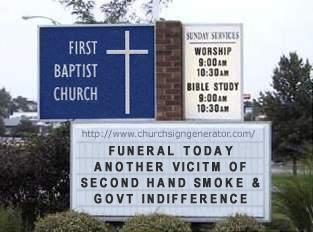
"O'Malley is dead and O'Grady don't know it, O'Grady is dead and O'Malley don't know it, They're both of 'em dead and in the same bed And neither one knows that the other one's dead." |
 Links:
|
|
|
 Back to Roger J. Wendell's Home Page...

Abbey |
About |
Blog |
Contacting
Me |
Copyright |
Disclaimer |
Donate |
Guest
Book |
Home |
Links |
Site
Index |
Solutions |
Terms,
Conditions
and
Fair
Use |
What's
Changed
or
New?
Copyright
© 1955 -