Roger J. Wendell
Defending 3.8 Billion Years of Organic EvolutionSM

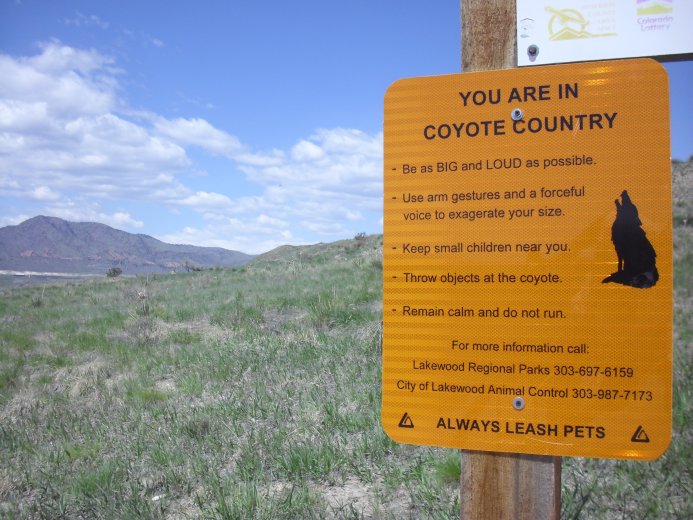
Coyote Country, Colorado"I think I could turn and live with animals, they are
so placid and self-contained,
I stand and look at them long and long."
- Walt Whitman
Number of animals killed in the world
by the meat, dairy and egg industries,
since you opened this webpage:0 chickens0 turkeys0 ducks0 pigs0 cattle0 sheep00
- Abigail Van Buren
Injury to Animals
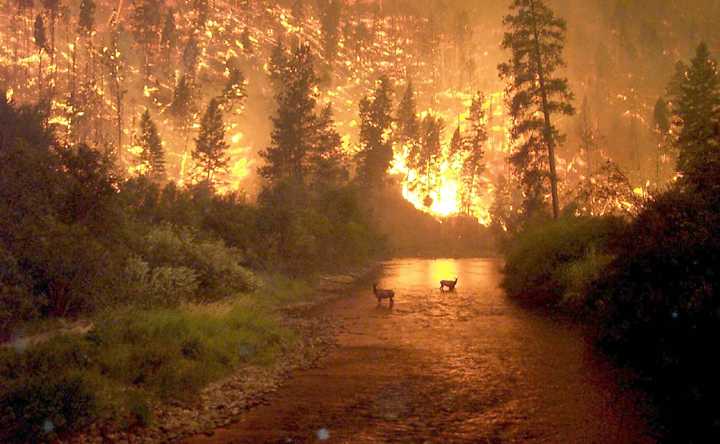
"Elk bath" fire, Bitterroot National Forest, Sula, Montana (August 6, 2000 by fire behavior analyst John McColgan)"He who is cruel to animals becomes hard also in his dealings with men.
We can judge the heart of a man by his treatment of animals."- Immanuel Kant
"If a man aspires towards a righteous life, his first act of abstinence is from injury to animals."
- Leo Tolstoy

|
Click Here for my page on Evolution... |
|
|
Click Here for my page on Life... |
|
|
Click Here for my page on pets... |
|
|
Click Here for my page about plant biology... |
|
|
Click Here for my page about biodiversity... |
Other Nations
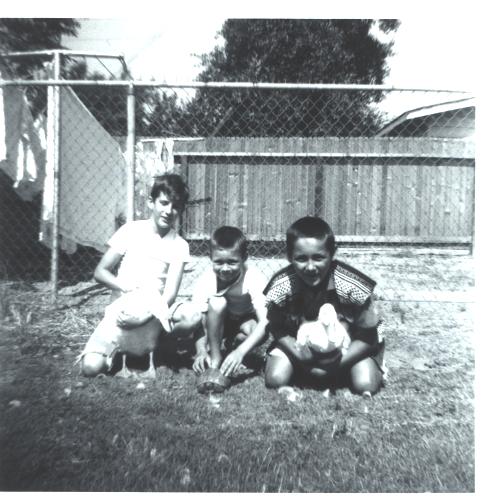
Ducks and tortoise in 1968"We need another and a wiser and perhaps a more mystical concept of animals. Remote from universal nature and living by complicated artifice, man in civilization surveys the creature through the glass of his knowledge and sees thereby a feather magnified and the whole image in distortion. We patronize them for their incompleteness, for their tragic fate for having taken form so far below ourselves. And therein do we err. For the animal shall not be measured by man. In a world older and more complete than ours, they move finished and complete, gifted with the extension of the senses we have lost or never attained, living by voices we shall never hear. They are not brethren, they are not underlings: they are other nations, caught with ourselves in the net of life and time, fellow prisoners of the splendour and travail of the Earth."
- Henry Beston, The Outermost House
- Professor Peter Singer
|
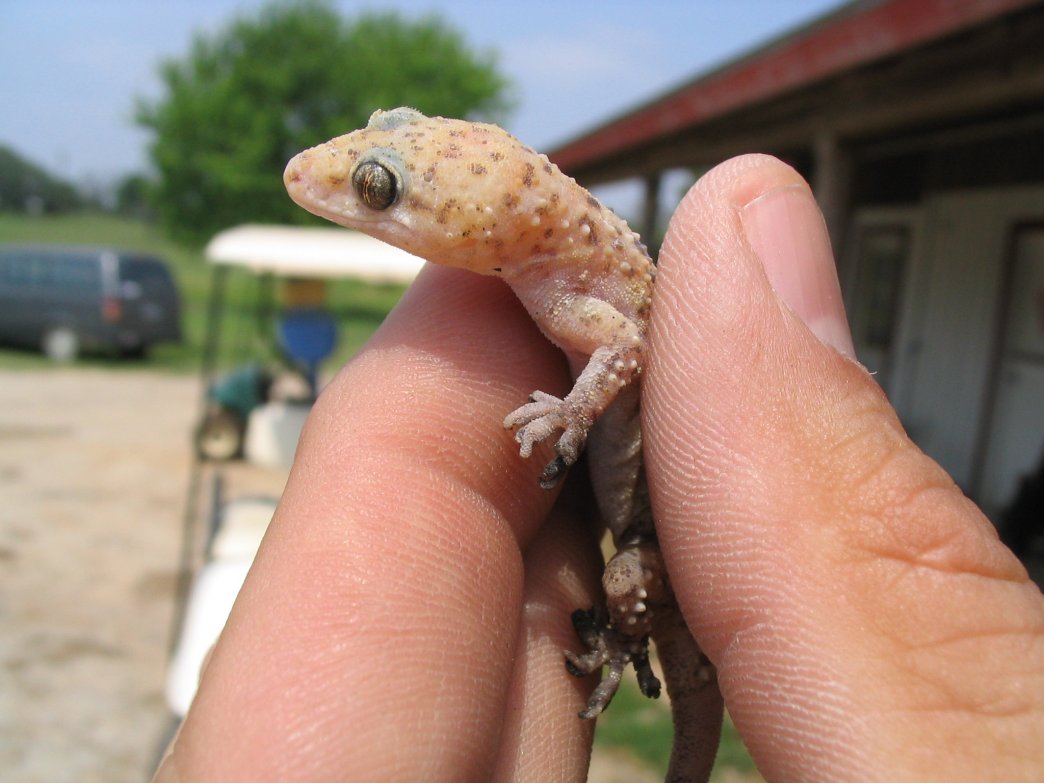
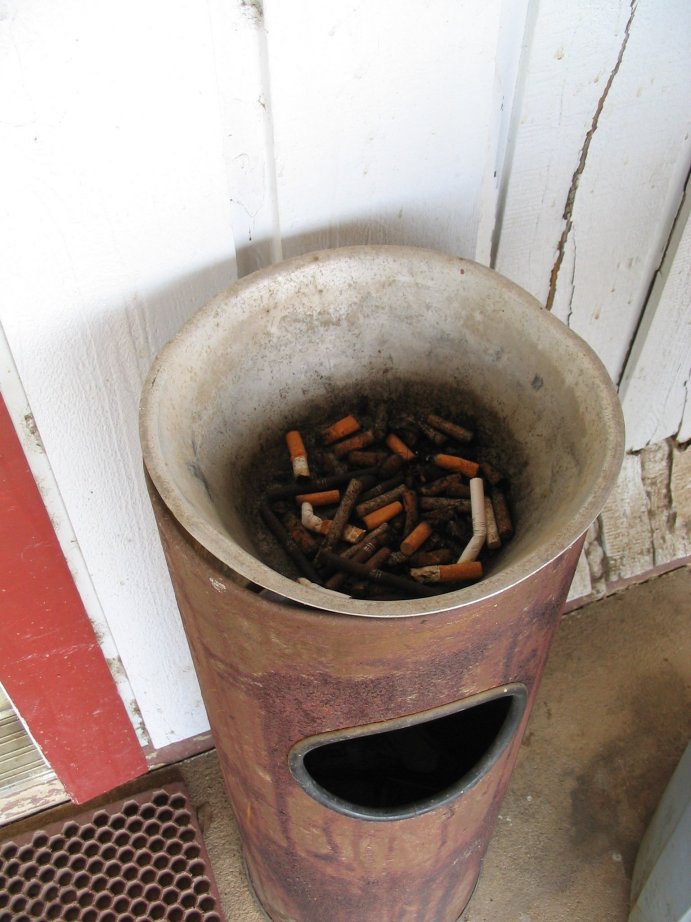
I rescued this small lizard from a golf course
near Bandera, Texas. It was trapped inside a large,
outdoor ashtray and had probably received ten
lifetime exposures to nicotine and hot ashes...
|
|
"Animal cruelty abounds. It is sickening. It is infuriating. Barbaric treatment of helpless, defenseless creatures must not be tolerated even if these animals are being raised for food - and even more so, more so. Such insensitivity is insidious and can spread and is dangerous. Life must be respected and dealt with humanely in a civilized society."
- Senator Robert Byrd
in a speech delivered to the U.S. Senate
on July 9, 2001
- Mahatma Gandhi
"We must fight against the spirit of unconscious cruelty with which we treat the animals. Animals suffer as much as we do. True humanity does not allow us to impose such sufferings on them. It is our duty to make the whole world recognize it. Until we extend our circle of compassion to all living things, humanity will not find peace"
- Albert Schweitzer
- John Muir
Dominion Over Animals?
"And even if you go by the principal that we do have dominion over the animal kingdom, looking at how we misuse and abuse that role is something that I feel like we all need to examine. We don't give much thought to those who don't have a voice. And because of taste, habit, culture, and convenience, we never stop to think about the majority of animals that are out there, the 10 Billion land animals that are slaughtered every year for human consumption.
"On September 21st, 2012, I had the pleasure of interviewing Jenny Brown on my radio show. Jenny is the cofounder of the Woodstock Farm Animal Sanctuary and also authored The Lucky Ones, a book about her passionate fight for farm animals. During the interview our conversation drifted toward animals and "ownership" issues - here's what she had to say: "And you know, we grow up in this society and we're indoctrinated from a very early age to believe that we have dominion over all animals. And even if you fundamentally believe that, because of your religious beliefs, and even Bush's speech writer, Mathew Scully, wrote a wonderful book called 'Dominion.'" "And, in this day and age there's so much evidence that says we can thrive on a plant-based diet, that plant-based diets actually reverse certain diseases. Vegetarians have much lower rates of bone related issues, and Vegans, in terms of osteoporosis and bone related diseases, the China study shows us that those countries that consume the least amount of dairy have the lowest percentages of bone related diseases.
"We're really indoctrinated and the meat and dairy industries, big Ag, big agribusiness, because in this day and age, all the animal products that come out are basically controlled by seven to ten companies that oversee everything. They're giant corporations that have a lot of power, they're right up there with oil and pharmaceuticals when it comes to the biggest lobbyists on capitol hill and the biggest subsidies that are given. We live in a society where it's more expensive to buy a head of broccoli than it is to buy a Big Mac and it's time that we really start to question that."
Leave Animals Alone

February 22, 2010 (Monday):
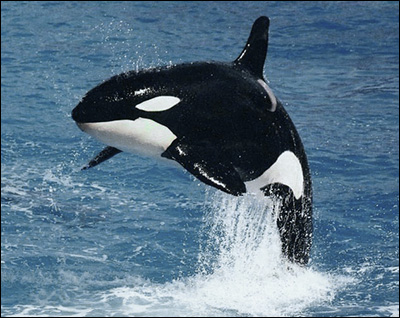
Veteran whale trainer Dawn Brancheau was killed when the 12,000-pound killer whale she was displaying dragged her into the tank at the SeaWorld park in San Diego. Brancheau was drowned when the whale held her underwater in front of the crowd she was entertaining. It's an unfortunate loss but I still wonder why our own species hasn't matured enough to leave wild creatures alone? I realize SeaWorld, and countless other organizations, use these creatures as an opportunity to educate the public (and earn money...) but why can't we simply be intelligent enough to leave the natural world alone? Why do we continue to pollute it, kill most other living things, and then insist on breeding out-of-control ourselves? Was it Carl Sagan who suggested that the true mark of an intelligent civilization would be no mark at all?
An Ecological Mystery in Yellowstone National Park
by Richard J. Schneider - Denver, Colorado (with permission)
Well, here's an interesting story about our environment and ecosystems. A number of years ago, researchers were perplexed over what was happening to trees and shrubs, like willows, in Yellowstone National Park. Aspen trees, for example, were virtually disappearing from the park. After some study, scientists realized that all that remained of aspen trees in parts of Yellowstone were old and dying trees. Aspens comprise a complex organism of underground shoots and trees that emerge from the ground. Essentially, the aspens had stopped replacing themselves. They stopped sending out shoots to create new, young trees. Another researcher, who specialized in river systems, noticed that the Lamar River in Yellowstone had changed radically since the park was first set aside in the late 19th century. An old aerial photograph of a bend in the river showed extensive vegetation on both sides of the river. The same shot from today showed both banks as bare. These were protected lands. Humans did not go in and harvest the bank side vegetation, mostly willows, or the aspens. And without the aspens and the willows, beavers, once plentiful in the region, disappeared.So what exactly was happening in Yellowstone? It seemed to be a mystery, until scientists put their heads together. They asked a simple question: what changed in the region between the time the park was created and today? Of course, more people visit the area. More cars in the summer. More snowmobiles in the winter. But increased human activity, even to the enormous extent it happens in Yellowstone, could not account for the lost aspens, the missing willows and the invisible beavers. Yet it was human activity that led to the discovery of just might be happening in America's flagship national park.
The region around the park was settled at about the same time the park was created. The number one four-legged enemy in the sights of the ranchers who settled the area was the wolf, which liked to feast on cattle and sheep. Spurred on by government bounties, the wolf was wiped out during the last century and a half. Ultimately the wolf was declared an endangered species and became protected by federal law. By 1970, no wolves at all could be found in the park.
One of the things that wolves do is apply pressure to herds of large animals like elk and deer. Wolves do more than just kill and eat the animals, although that act alone serves a key role in the local ecosystem. For example, an elk carcass first feeds the wolf pack that took the animal down. Next it feeds other animals, such as ravens, vultures, eagles, magpies, coyotes, fox and even bears who descend upon the kill for leftovers. And then there are the bugs, millions of them, which use the carcass for food and rearing their young.
But what about the aspens, the willows and the decidedly vegetarian beavers? Let's go back to the late 1980's when United States wildlife scientists proposed re-locating an experimental group of Canadian wolves into Yellowstone. Wolves, by the way, either remained established or managed to re-establish themselves in several areas of North America. Scientists estimated that the re-introduction of wolves into Yellowstone would reduce elk, deer, moose and buffalo herds by 5 to 30 per cent. The recommendation was controversial, with resistance coming largely from ranching interests. But with support from Congress, 31 wolves were captured in Canada and released in the park during the mid-90s. Since then, willows are growing again. And the beaver returned. They need the willows to build their dams and lodges. And aspens are once again sending shoots underground in search of water where they will send new, young trees skyward.
But why? Well, researchers can walk through the park and find an old elk kill, for example, resting in the center of fresh, vibrant willow growth. This was the kind of willow growth that was disappearing before the eyes of puzzled scientists. The elk were avoiding this particular area. Think about it. Without any wolves around, deer and elk, for example, can roam freely, reproduce with impunity and eat as many willow plants and aspen trees as they can get their sharp teeth on. But the wolves keep the herds moving, all the time, and the big animals no longer get to remain in one area until they decimate the vegetation. That gives the critical vegetation time to thrive, making the entire ecosystem healthy and balanced.
The wolves have done so well on their own that the re-introduction program has been suspended. Of course, wolves, like any other predator - except humans - don't know a park border from a golf club. So they have expanded beyond the park borders, which makes their management more challenging since wolves like sheep and cattle just as much as elk, deer and moose. But even the ranchers have become more understanding over the years. They too recognize the importance of healthy ecosystems, in parks and on ranchlands. Oh, the relationships among wolves, scientists and ranchers aren't perfect, but they're much better today than they were back when wolves were slaughtered for bounties.
Denver writer Richard J. Schneider runs a communications firm and studies political science at the University of Colorado-Denver graduate school.
©2005 Richard J. Schneider
Roads and wildlife don't mix!
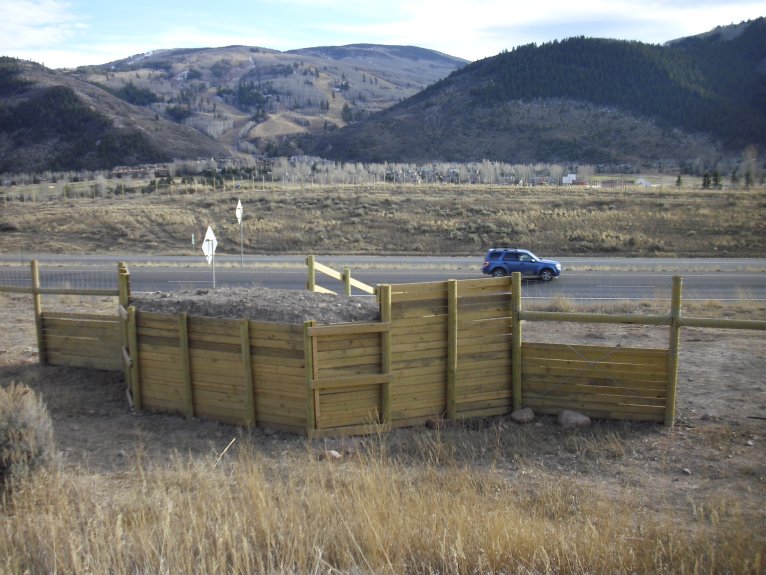
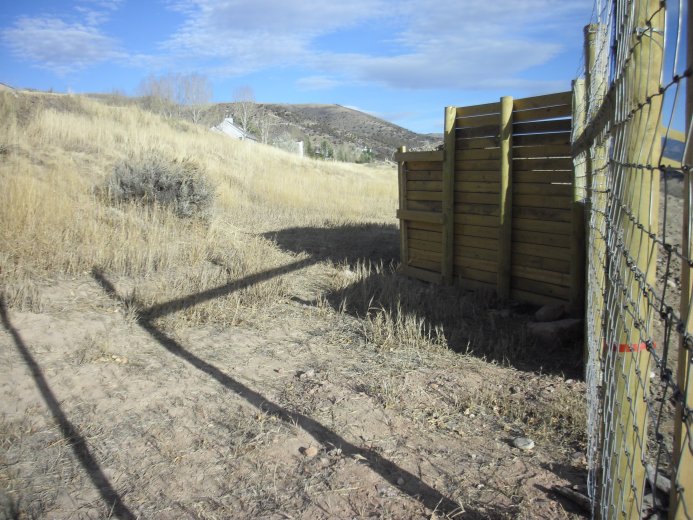
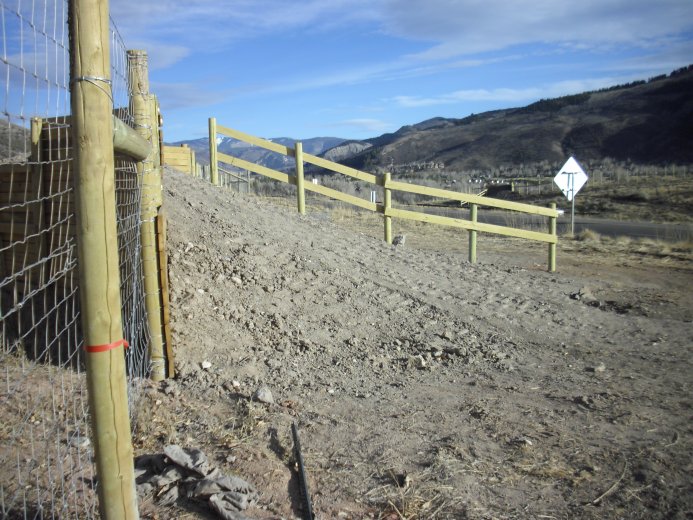
In my home state of Colorado, the Department of Transportation says there were 30,245 reported wildlife/vehicle collisions between 1995 and 2005. Between 1993 and 2004 those collisions resulted in 29 human deaths and 2,241 injuries. And, like everyone else who has ever driven Colorado's roads and highways, I've seen thousands (literally!) of dead and dying deer, elk, fox, raccoon, and other creatures along our transportation corridors over the nearly 40 years of driving I had completed by the time of this entry in late 2009 [one year, in Eastern Utah, I had to shoot a deer that was suffering alongside the road immediately after a truck pulling a boat hit it right in front of me - luckily I happened to be carrying a gun at the time as the poor animal was suffering with broken bones poking out of its body, etc. The driver who hit it was slightly injured but lost all use of his vehicle from the severe damage...].Anyway, Interstate 70 cuts across our state, running from east-to-west through Denver, over the Continental Divide, cresting at Vail Pass, and then moving into eastern Utah from Grand Junction. Unfortunately that same interstate highway dissects and blocks some pretty important wildlife corridors, especially west of Vail Pass. Over the years there have been many proposals to create a wildlife "overpass" but the funding just never seems to appear. Nevertheless, in late 2009 I was pleased to see more and more wildlife "escape ramps" being built in the area. Below are some pictures (and a video) a newly created one I photographed near Eagle, Colorado - about 100 miles (161 kilometres) west of Denver, at mile-marker 164.
|

|
|
|

|

|
Click Here for my YouTube video of the same escape ramp... |
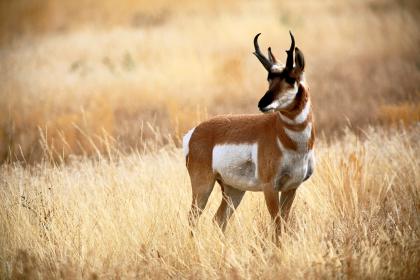
Pronghorn
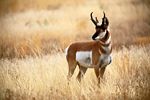
"Traffic was light, and I reveled in the solitude, the slow pace, noticed the subtle changes in the landscape, drank in the surreality of being alone in the wide-open space. From distant hills members of the Sublette antelope herd stood alertly, watching me. "I stopped to watch them back. The oldest surviving animal species in North America, the American pronghorn is a singular animal, worthy of admiration. To see them sprinting across the prairie or desert was akin to watching any migrating herd on an African safari.
"The pronghorn is in the family of neither deer nor goat, though it shares characteristics with both. Despite the common use of the term, they're not technically antelope. They have branched horns, not antlers, and all bucks grow and shed them annually, the only species to do so. Less than half of all does grow horns, though sans prong. Able to run up to sixty miles per hour, they are the fastest species in North America and the second fastest in the world. They don't jump fences but squirt underneath, maintaining their speed with a seamless grace. A quirky mix of curious and shy, they are by reputation skittish and yet have been known to race along side cars, horses, trains. Even bicycles."While there has been a push by conservation groups to seek protection for the pronghorn habitat, especially in the Red Desert, Wyoming is the only state in the union exempt from the Antiquities Act, which allows for the creation of national monuments by the federal government."
Links:
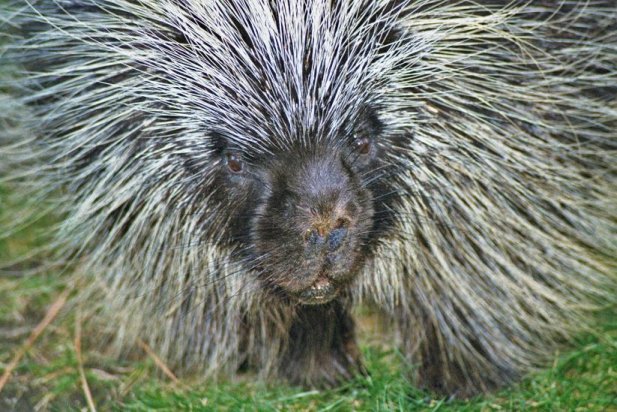
North American Porcupine
(Erethizon Dorsatum)
|
|
 Back to Roger J. Wendell's Home Page...

Abbey |
About |
Blog |
Contacting
Me |
Copyright |
Disclaimer |
Donate |
Guest
Book |
Home |
Links |
Site
Index |
Solutions |
Terms,
Conditions
and
Fair
Use |
What's
Changed
or
New?
Copyright
© 1955 -